


Download PDF
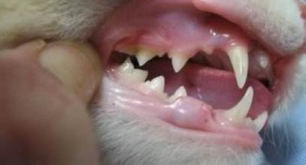
How to Protect Your Cat’s Teeth Protecting Your Cats Teeth Is Very Important. Just like us, cats can develop gum disease and experience tooth decay. Some breeds, like Maine Coons are predisposed to stomatitis (inflammation of the mouth) and juvenile gingivitis (plaque-induced inflammation). Regardless of breed, it is estimated that 80% of cats experience some type of gum related issue in their lifetime. How Can You Tell If Your Maine Coon Has Healthy Gums? Healthy gums should be pale to bright pink. If something doesn’t look quite right follow up with your veterinarian. The image below is a cat with healthy gums.
Image courtesy of: healthypetvetclinic.com Gingivitis While we can’t give our cats Listerine, there are things we can do to to fight feline gingivitis. Gingivitis happens when the gums become inflamed due to bacteria and plaque surrounding the teeth. Regular cleanings are important to combat gingivitis. Infectious or systemic diseases such as: feline immunodeficiency virus, feline leukemia virus, feline calicivirus (FCV) and various autoimmune diseases can predispose cats to gingivitis. If not properly treated, gingivitis can lead to periodontal disease. Commons signs of gingivitis include: drooling, foul breath and inflamed gums (red and/or swollen). Regularly brushing your cats teeth, offering treats designed to clean gums and having your veterinarian do routine dental cleanings will help combat gingivitis. Stomatitis Feline Chronic Gingivostomatitis (FCGS) or general inflammation, can be referred to as stomatitis. This condition is very painful and affects the gums, tongue, roof of the mouth and insides of the mouth. Symptoms of feline stomatitis include: drooling, bad breath, growling at food, loss of appetite, weight loss, head tilting when eating, decreased self grooming. Treatment may include tooth extractions, normally behind the upper and lower canines (fangs). In extreme cases all teeth may be removed. Proactive dental care is extremely important for prevention. Broken Teeth Cats at any age may break a tooth for a number of environmental or health related issues. The location of a fractured tooth will determine if it needs to be extracted by your veterinarian. Periodontitis Senior cats may be affected by this gum disease. The tissue surrounding the teeth and ligaments recede and the root becomes exposed. Teeth affected by this condition may need to be professionally removed. Brushing Your Maine Coon’s Teeth Oral hygiene is important to our cats. Just like we must take care of our teeth, your cat’s dental care should be part of the normal routine for optimal health. Go slowly when beginning to brush your cat’s teeth. Get them used to having their mouth touched. Start by gently rubbing their face, then lifting up their lips. When they are comfortable begin putting a dab of cat toothpaste on your finger and allow them to lick it off. Begin gently rubbing their teeth. Once you have completed these steps introduce the toothbrush. Feline toothpaste comes in a variety of cat-friendly flavors. Never use human toothpaste, which contains ingredients that can make cats very ill. If you have a Maine Coon kitten, introduce oral care early on. Cats should receive routine dental cleanings just as we do, generally a comprehensive dental exam should be performed every one to two years. A comprehensive cleaning is generally performed by the veterinarian under anesthesia. Having their teeth professionally cleaned will remove tartar and plaque in areas you may be unable to reach with the toothbrush. The tutorial below may be helpful as you begin brushing your cat’s teeth.